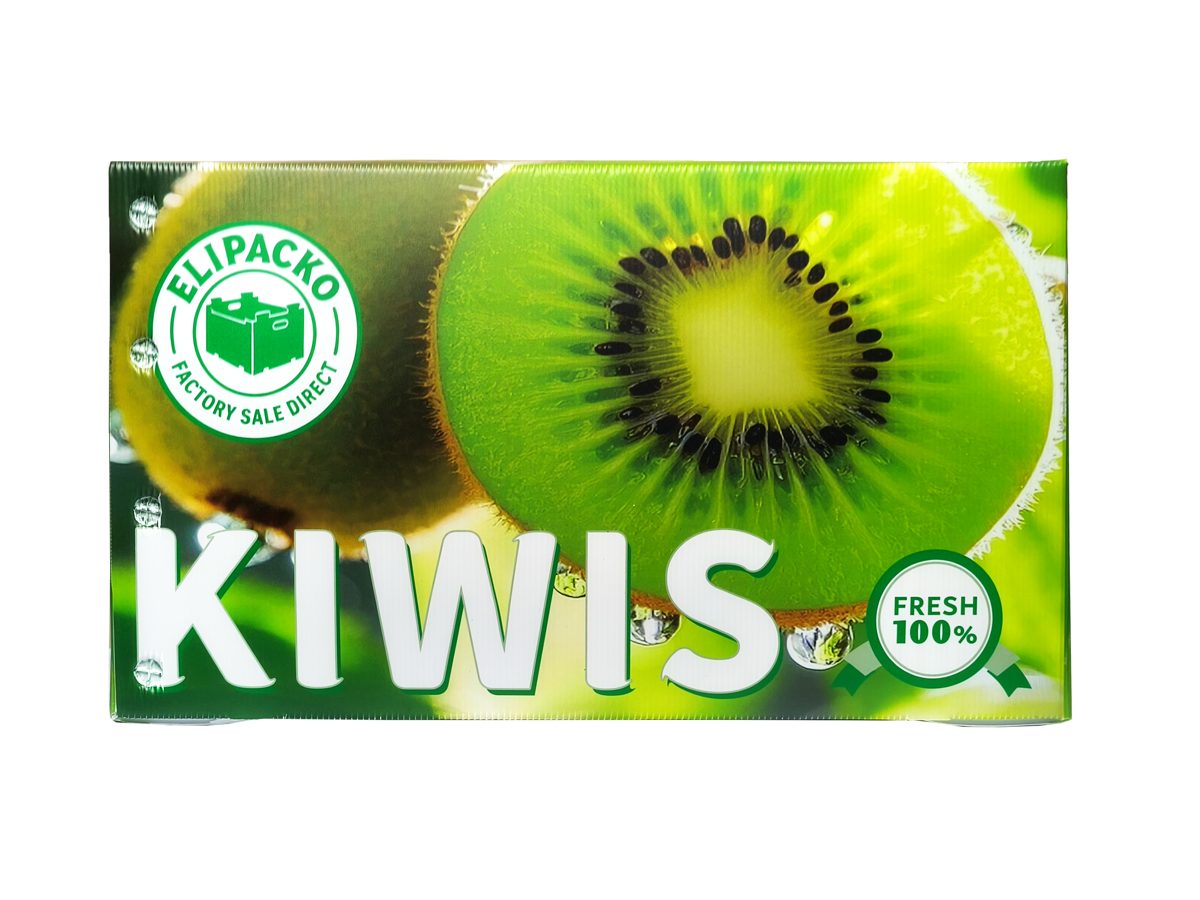
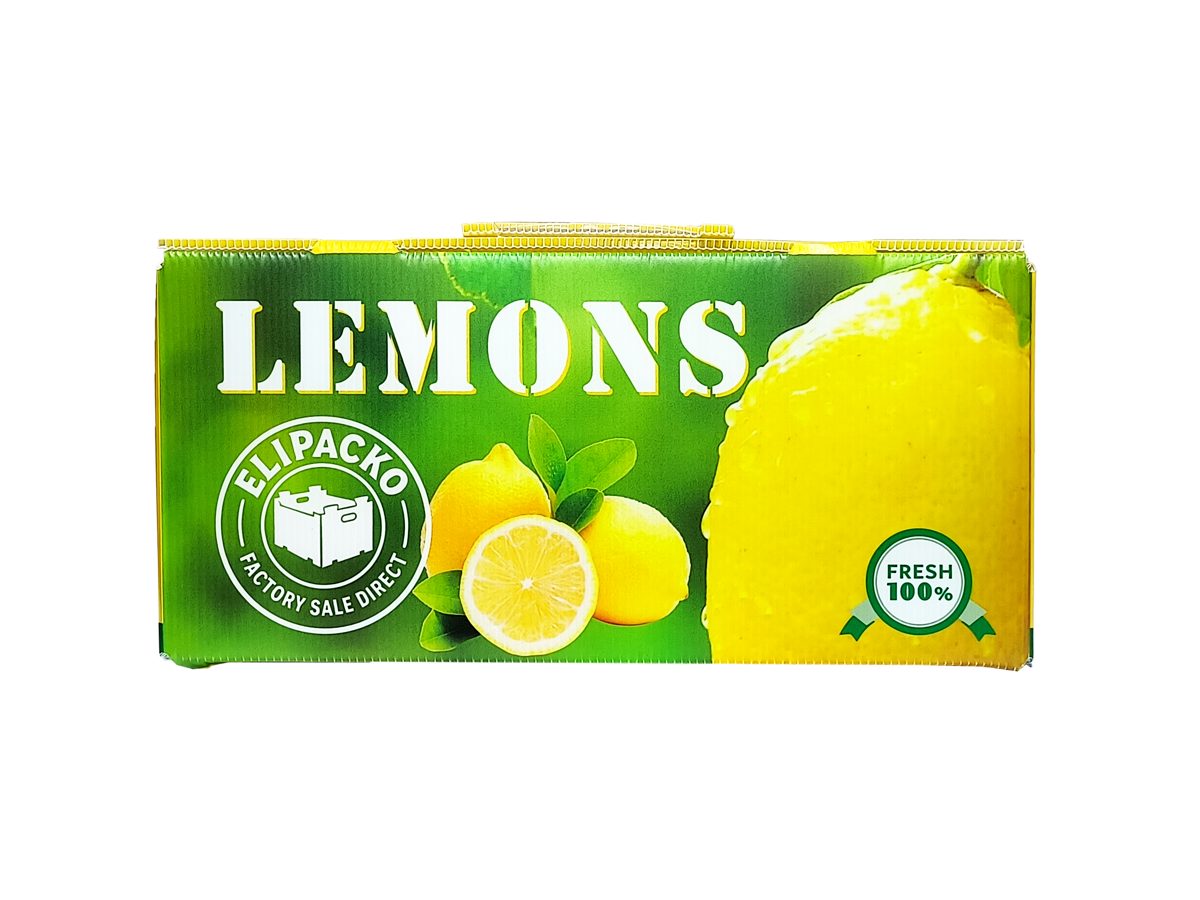
Twin-wall polypropylene corrugated boxes in 4 to 10mm gauge — waterproof, reusable, lighter than cardboard, and available with custom print and UV stabilization for any supply chain.
Request a Quote from ElipackoA plastic corrugated box is a container manufactured from twin-wall polypropylene sheet — the same fluted, hollow-channel structure as cardboard corrugated, but built from polypropylene instead of paper fiber. The result is a box that looks and folds like a standard corrugated container but delivers a fundamentally different performance profile: it is completely waterproof, virtually indestructible under normal handling loads, and reusable for 50 or more trips without structural degradation.
PP corrugated boxes are die-cut, scored, and folded from flat sheet stock, then assembled with fold tabs, strapping, or adhesive closure. This means custom box dimensions require no hard tooling — only a cutting die, which is low-cost and fast to produce. Lead times for custom-dimensioned boxes are typically shorter than for injection-molded containers, making PP corrugated the right choice when you need flexibility in box sizing across multiple SKUs.
The twin-wall structure of PP corrugated sheet gives the finished box exceptional stiffness relative to its weight. A 4mm twin-wall PP box wall resists puncture, compression, and lateral impact far better than a standard single-wall cardboard box of equivalent nominal thickness. At 10mm gauge, PP corrugated panels achieve structural performance competitive with triple-wall cardboard at a fraction of the weight.
PP twin-wall sheet is inherently waterproof. No moisture absorption, no fiber softening, no delamination under wet conditions. Critical for produce, seafood, and food processing environments.
At 50+ reuse cycles, the per-trip cost of a plastic corrugated box drops to a fraction of single-use cardboard. Fleet programs deliver measurable ROI within the first year of operation.
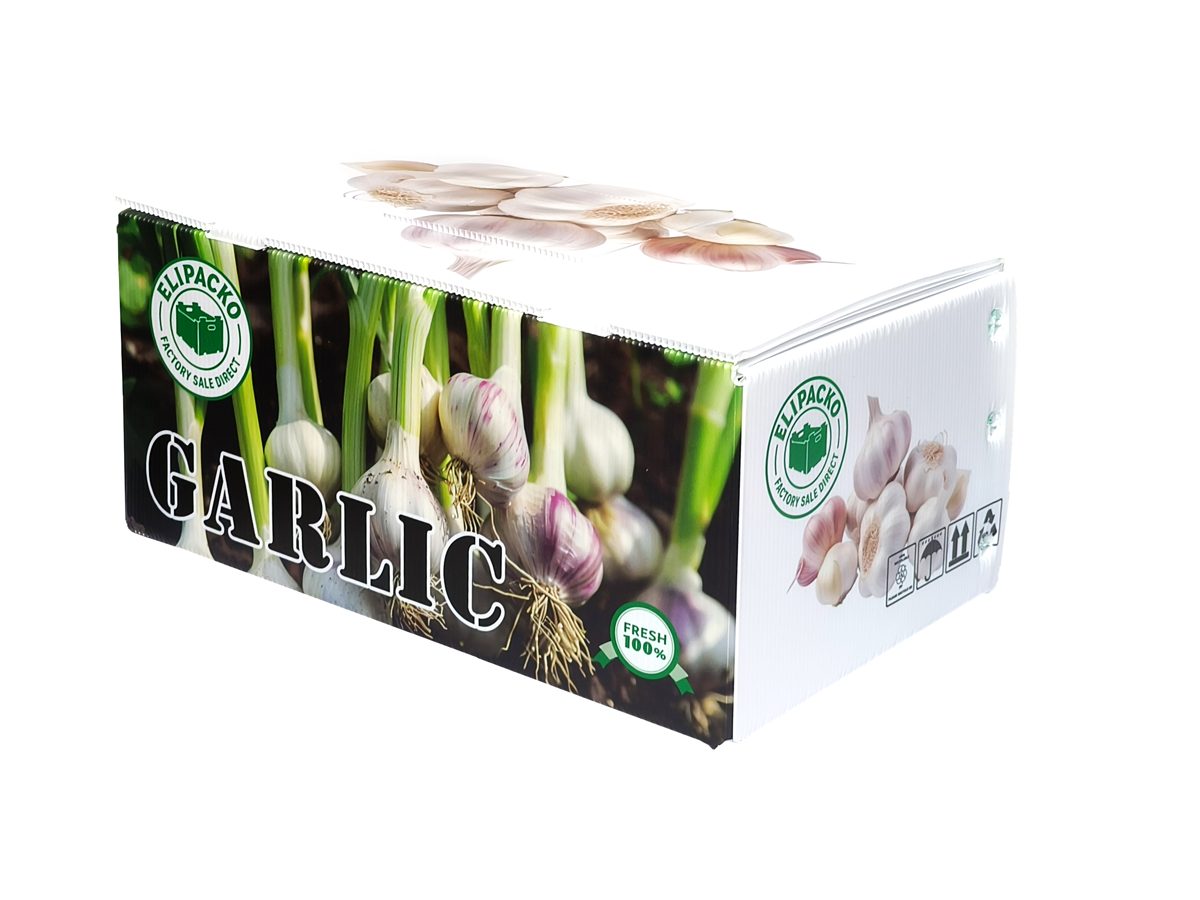
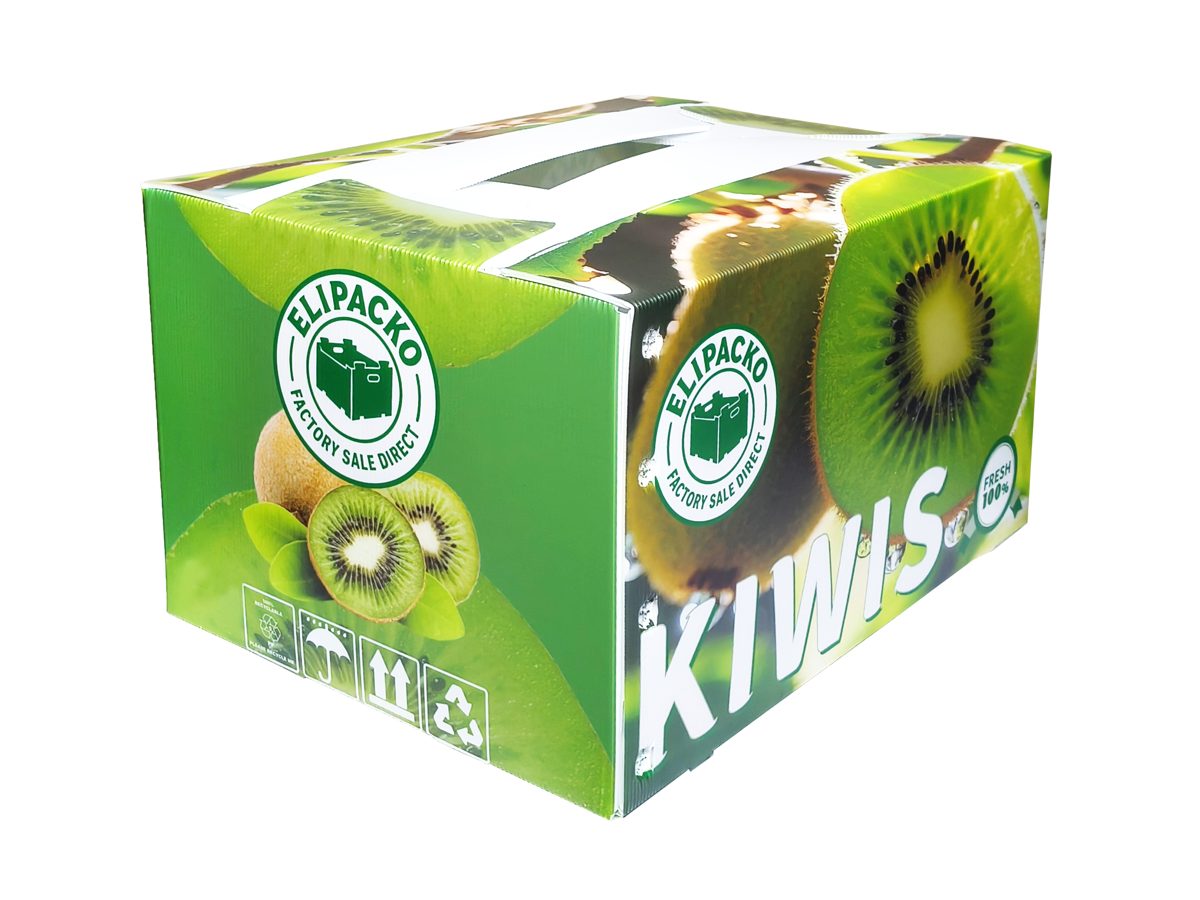
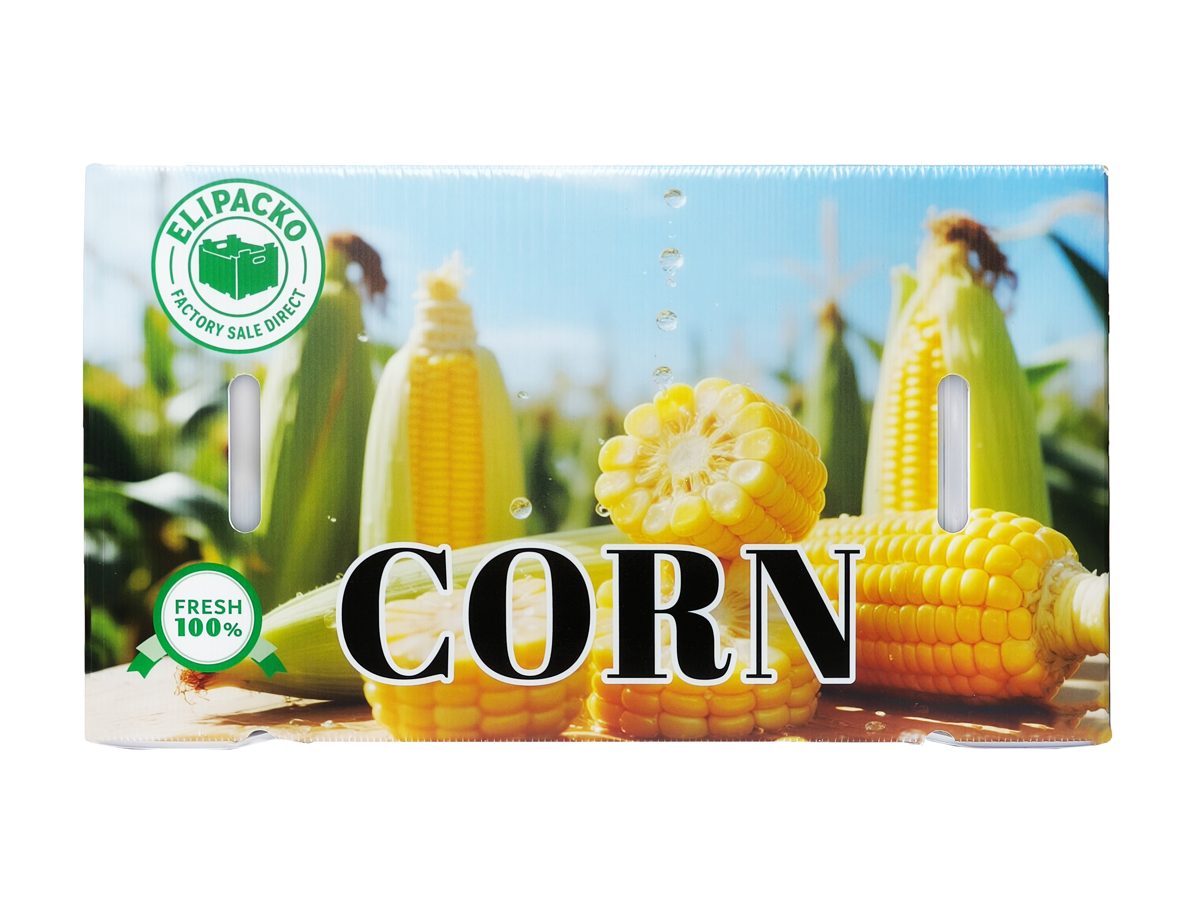
Full-color printing directly on the PP sheet surface, available in direct thermal, UV-cure, or screen print. Permanent brand marking that survives wash cycles. Custom colors throughout the panel.
Cardboard corrugated boxes are engineered to work at their best once — when new, dry, and uncompressed. The moment a cardboard box contacts moisture, whether from condensation in a refrigerated truck, rain during outdoor transfer, or incidental product contact, its structural integrity begins to decline. The paper fibers absorb water, the fluted channels compress, and the compression strength — the metric that prevents box crush under stack loads — can fall by 50 to 80 percent in high-humidity conditions.
This is not a defect of any particular cardboard manufacturer. It is an inherent property of cellulose fiber under moisture. Wax coatings mitigate the issue but introduce their own problems: wax-coated cardboard is not recyclable through standard corrugated recycling streams, and the wax coating can transfer to food products and produce surfaces.
PP corrugated eliminates this failure mode entirely. The polypropylene polymer does not absorb water. A plastic corrugated box exposed to a full wash-down cycle emerges structurally identical to a dry box. Its compression strength does not change with humidity. Its walls do not soften. Its fluted channels do not collapse. This is the core reason PP corrugated has become the material of choice in produce, seafood, meat processing, and food service distribution.
PP corrugated sheet has a significantly lower density than an equivalent-thickness cardboard panel. A 4mm twin-wall PP box typically weighs 30 to 45 percent less than a structurally comparable double-wall cardboard box. At the system level, switching a distribution operation from cardboard to plastic corrugated boxes reduces tare weight per pallet load, which translates directly into fuel cost savings, payload capacity gains, and reduced worker strain from repetitive box handling.
Over a full year of operations across a fleet of thousands of boxes, the weight reduction from PP corrugated is a meaningful line item in transportation cost modeling. Shippers operating dedicated private fleets, carriers managing refrigerated less-than-truckload networks, and distributors running direct-to-store delivery programs all find that the box weight reduction contributes materially to per-mile cost.
PP corrugated boxes manufactured from virgin food-grade polypropylene resin comply with FDA 21 CFR 177.1520, the governing regulation for PP in food-contact applications in the United States. This compliance applies to both the sheet material and the assembled box, provided no non-compliant inks, adhesives, or coatings are applied to surfaces that contact food.
Elipacko supplies plastic corrugated boxes with full material documentation, including resin compliance certifications, for customers operating FDA-regulated facilities. For FSMA preventive control programs, produce safety programs, and HACCP plans that require documentation of indirect or direct food-contact materials, this paperwork is essential. It is also auditable — a reusable PP box fleet with documented compliance history presents a cleaner audit profile than a revolving stock of cardboard from multiple suppliers.
Standard PP resin degrades under prolonged ultraviolet light exposure — a limitation that matters for boxes stored or used outdoors, in greenhouses, or on loading docks with extended sun exposure. UV-stabilized PP corrugated sheet incorporates light stabilizer additives into the polymer matrix, preventing the yellowing, brittleness, and surface cracking associated with UV degradation.
UV-stabilized plastic corrugated boxes are specified in outdoor garden and nursery distribution, greenhouse operations, outdoor event logistics, and any application where boxes sit on outdoor staging areas between truck loads. The UV stabilizer package does not affect food-contact compliance — UV stabilizers are selected from FDA-approved additive lists for food-grade sheet production.
Cardboard box print quality degrades with moisture exposure, scuffing, and rough handling. A plastic corrugated box that has completed 50 trips and 50 wash cycles can still carry clear, readable brand graphics and regulatory labeling if printed with UV-cure or screen-process inks designed for PP surfaces. This makes PP corrugated the right choice for brand-identified packaging that must look professional through the entire distribution channel — from packing house to retail receiving dock.
Custom color panels — produced by tinting the PP resin itself rather than applying a surface coating — provide product and line-of-business identification that cannot be scuffed off and does not fade under wash cycles. Color-coded plastic corrugated boxes are used in multi-SKU produce programs, automotive kitting operations, and pharmaceutical secondary distribution to provide instant visual identification without relying on printed labels that can peel or become illegible.
Plastic corrugated boxes in PP are specified across a wide range of industries. The common thread is any application where moisture, reuse, weight, or regulatory compliance makes standard cardboard an inadequate or cost-inefficient choice.
Waterproof walls handle field condensation and cold-chain moisture. Reusable fleet economics reduce per-trip packaging cost by 70%+ versus single-use wax cardboard. Compatible with produce safety food-contact requirements under FDA 21 CFR.
Rigid panels protect precision components from scratch and impact. Custom print and color-coding support kitting workflows. Reusable in closed-loop plant-to-dealer logistics. Lighter than steel wire containers for the same protection level.
Fully washable with standard food-grade sanitizers. FDA 21 CFR food-contact compliance. Resist fish oils, brine, and cleaning chemicals. Zero moisture absorption prevents bacterial harborage in box walls.
UV-stabilized grades handle extended sun exposure on outdoor staging areas. Resistant to fertilizer solutions, irrigation water, and garden chemicals. Stackable for efficient trailer loading on live-plant deliveries.
Clean, non-fiber-shedding surface eliminates contamination risk from cardboard dust in controlled environments. Documentable food-grade resin compliance. Reusable in internal distribution loops within regulated facilities.
Durable through multiple ship-and-return cycles. Color-coded and custom-printed for return logistics programs. Lighter than cardboard reduces outbound and return freight costs. No damage from humidity in non-climate-controlled warehouses.
Standard gauge ranges and performance benchmarks. Custom dimensions and specifications are available through Elipacko. All food-contact grades use virgin PP resin compliant with FDA 21 CFR 177.1520.
| Gauge | Panel Thickness | Weight (per sq ft) | Compressive Strength | Temperature Range | UV Stabilized Option | FDA 21 CFR |
|---|---|---|---|---|---|---|
| 4mm twin-wall | 4mm | ~0.25 lb/sq ft | Light-duty distribution | –4°F to 140°F | Yes | Yes (virgin resin) |
| 5mm twin-wall | 5mm | ~0.30 lb/sq ft | Standard distribution | –4°F to 140°F | Yes | Yes (virgin resin) |
| 6mm twin-wall | 6mm | ~0.37 lb/sq ft | Heavy distribution | –4°F to 140°F | Yes | Yes (virgin resin) |
| 8mm twin-wall | 8mm | ~0.48 lb/sq ft | Industrial heavy-duty | –4°F to 140°F | Yes | Yes (virgin resin) |
| 10mm twin-wall | 10mm | ~0.58 lb/sq ft | Very heavy-duty industrial | –4°F to 140°F | Yes | Yes (virgin resin) |
Standard plastic corrugated box formats in common footprints are available from stock. These include produce-standard box sizes, half-pallet tray formats, and quarter-pallet trays in 4mm and 6mm gauge. Stock items typically ship within 5 to 10 business days.
Custom boxes are produced from die-cut sheets to your exact internal dimensions. Tolerances of ±1mm are achievable. Die costs are amortized across the production run and are typically recovered within the first order quantity for programs of 500 units or more.
Transitioning from cardboard corrugated to plastic corrugated boxes is one of the most straightforward sustainability and cost-reduction initiatives available to produce shippers, food distributors, and manufacturers operating reusable packaging programs. The financial case is not complicated: divide the unit cost of a plastic corrugated box by the number of trips it completes, compare that to the cost per use of a cardboard box, and the arithmetic almost always favors PP corrugated by a significant margin.
A quality plastic corrugated box from Elipacko is priced at a premium compared to a single-use cardboard box of the same footprint and nominal strength. This premium is the only valid comparison point if the boxes are used once. But plastic corrugated boxes used in closed-loop or managed-return programs are not used once. They are used 50 times, or 75 times, or more. Divide the acquisition cost by 50 and the per-trip material cost falls well below any cardboard alternative, including lightweight single-wall options.
Add to this the avoided cost of cardboard purchasing, storage, assembly labor, disposal, and waste hauling — all of which scale linearly with cardboard volume but approach zero in a reusable PP fleet — and the total cost advantage of plastic corrugated becomes even more pronounced. Organizations with robust sustainability programs also recognize that eliminating tens of thousands of cardboard boxes from their annual waste stream has a meaningful impact on their waste-to-landfill and recyclable-waste tonnage metrics.
A plastic corrugated box reuse program requires three elements: a pool of boxes sized to your throughput, a return logistics mechanism, and a cleaning protocol. The box pool size is determined by your cycle time — the time between when a box ships and when it returns to the origin facility. Shorter cycle times require smaller pools; longer inter-facility distances or extended customer dwell times require larger pools.
Return logistics for plastic corrugated boxes are simplified by their lightweight and nest-stackable or flat-stack designs. Empty boxes on a return pallet occupy far less space than filled boxes on an outbound pallet, improving return truck utilization. Many operations achieve return freight at near-zero marginal cost by utilizing backhaul trailer space that would otherwise go empty.
Cleaning PP corrugated boxes requires only a rinse and standard food-contact sanitizer at temperatures up to 140°F — conditions met by most commercial produce and food-processing wash racks. PP does not require special detergents, high temperatures, or extended soak times. A typical box passes through a wash rack cycle in under 5 minutes and emerges dry enough to be restacked immediately.
Beyond food applications, PP corrugated boxes are a standard fixture in automotive parts distribution, electronics kitting, and pharmaceutical secondary packaging. The automotive sector in particular has standardized on reusable plastic packaging — including PP corrugated trays, boxes, and dividers — for inbound component delivery, kitting operations, and inter-plant transfers. The reasons align with food applications: moisture resistance, durability, reusability, and the ability to print clear identification that survives multiple handling cycles.
Electronics distributors use PP corrugated boxes as anti-static or ESD-compliant packaging when manufactured with conductive or dissipative additives integrated into the PP sheet. This extends the base material's usefulness into sensitive component handling without requiring a fundamentally different container design.
Elipacko works with customers across all of these sectors to design and supply plastic corrugated box programs that match their specific performance requirements, logistics parameters, and compliance needs. Our team brings both material expertise and supply chain knowledge to every project. Contact us at elipacko.com to discuss your requirements.
Get a quote for custom or standard twin-wall PP corrugated boxes. Food-grade, waterproof, reusable 50+ times. Elipacko supplies produce, food processing, automotive, and industrial customers nationwide.
Get a Quote at Elipacko.com